We are committed to delivering high-quality LCD displays and digital signage solutions, combining reliable performance, competitive value, and professional support to help businesses communicate more effectively.
We are committed to delivering high-quality LCD displays and digital signage solutions, combining reliable performance, competitive value, and professional support to help businesses communicate more effectively.
 author
A digital menu board makes restaurant menus easier to read by combining brightness, clear layout, and remote content control in one display. In busy foodservice spaces, that matters more than decoration. Customers move fast, look up briefly, and decide quickly, so the screen has to support that behavior instead of fighting it.
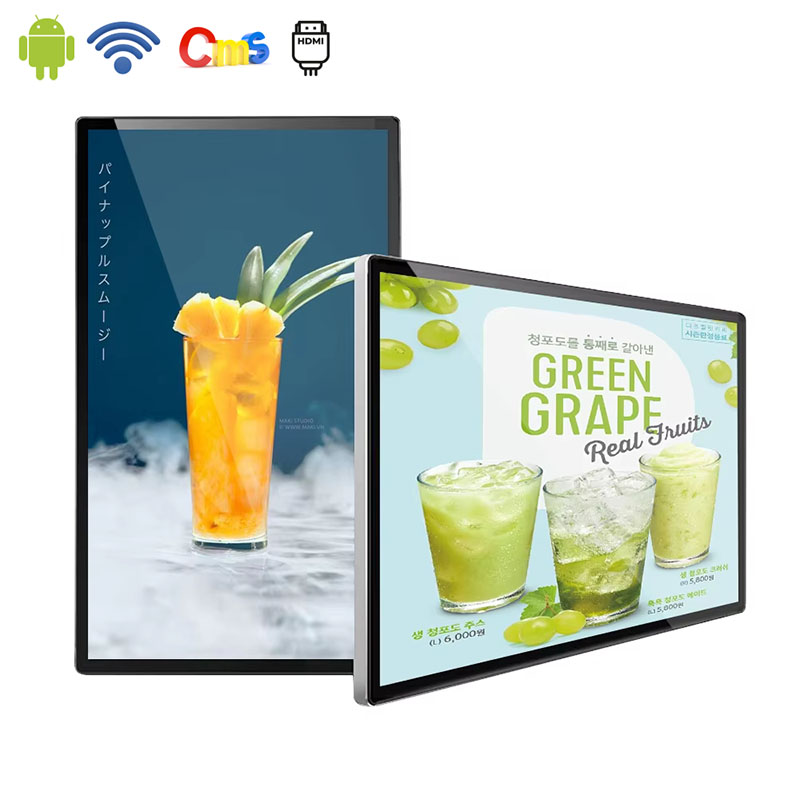
For Alihh, the value of a digital menu board is practical. It helps restaurants present food, prices, and promotions in a way that stays visible in bright interiors, works across different mounting styles, and can be updated without reprinting anything.
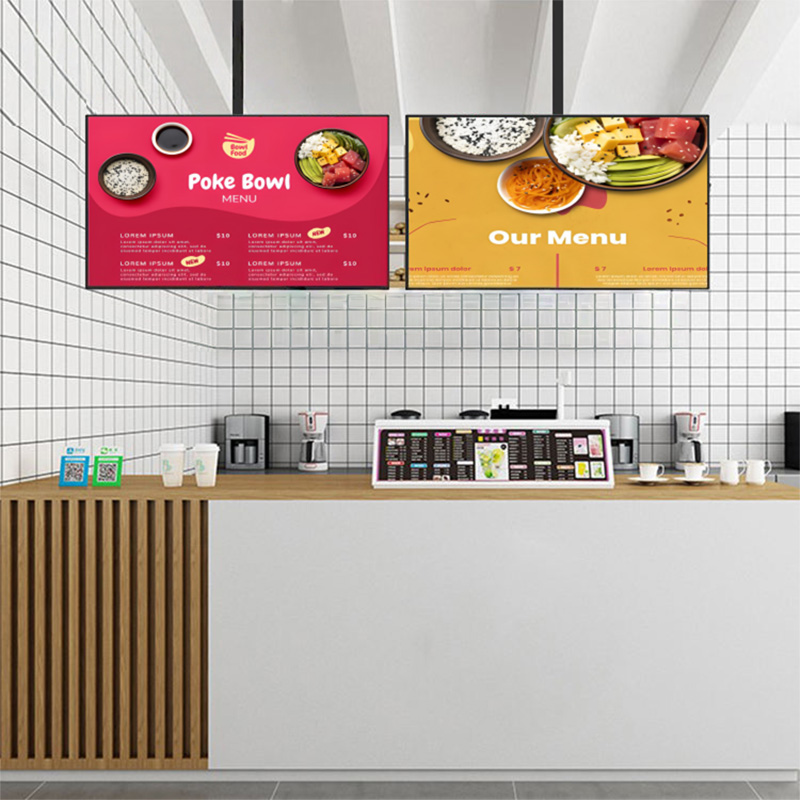
A menu board is part of the ordering flow, not just the decor. When the type is too small, the contrast is weak, or the panel reflects too much light, customers slow down and staff have to repeat the same answers.
That is why a restaurant digital menu board should be judged by legibility at a glance. The best screen is the one people can understand from the queue, from a side angle, and under the lighting that already exists in the room.
Alihh digital menu board options use a wide-angle IPS panel with a 178 degree viewing angle and selectable brightness from 500 to 700 nits, which helps the screen stay readable in bright indoor spaces. That combination is useful near windows, open counters, and dining areas where light changes during the day.
The point is not to chase the highest number on paper. It is to keep the menu steady, clear, and comfortable to read when customers are standing still for only a few seconds.
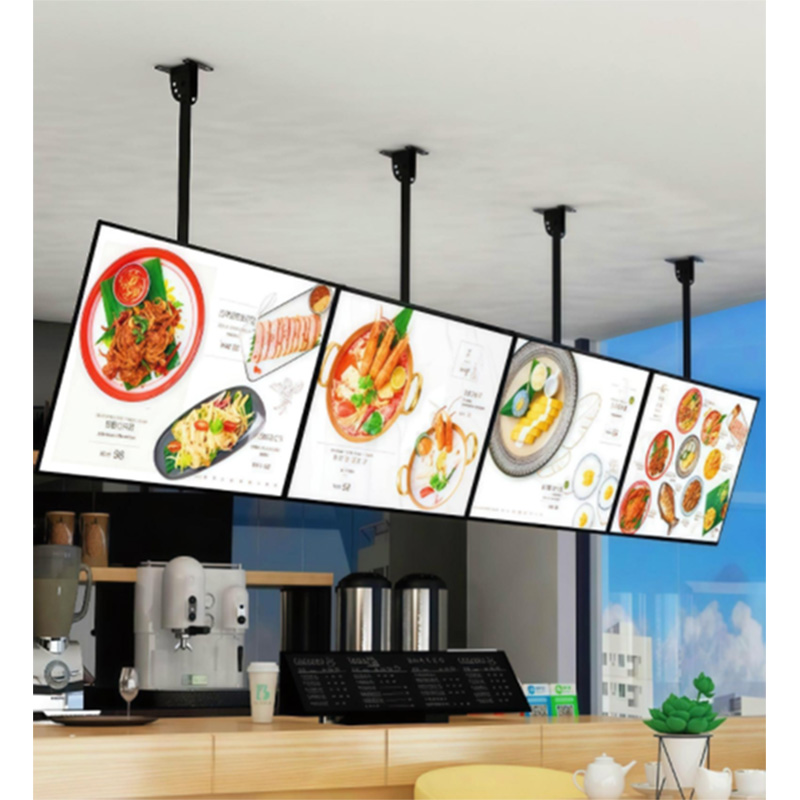
A strong layout guides the eye. Popular items, combo meals, prices, and limited-time offers should sit in a structure that is easy to scan, while supporting visuals should stay disciplined rather than crowded.
A digital menu display also gives operators room to separate dayparts. Breakfast, lunch, and evening offers can share the same screen family without forcing the restaurant to rebuild every poster from scratch.
Screen size and resolution should follow the viewing distance and content style. A larger wall display may benefit from optional 4K playback when food imagery or detailed product visuals need to remain sharp, while a simpler menu can focus on strong spacing and readable type.
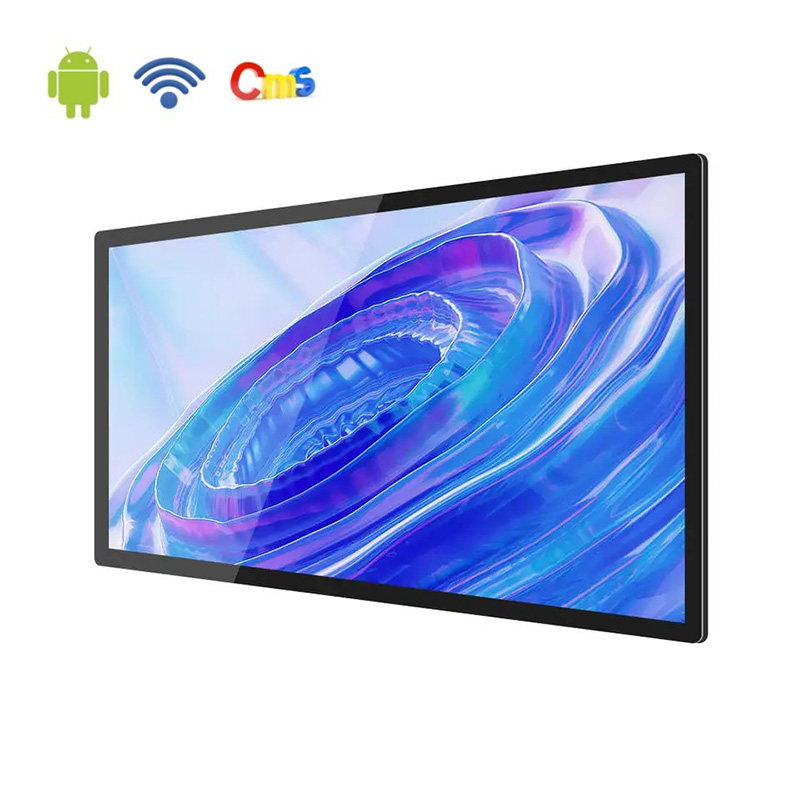
Alihh supports remote CMS control, which makes it easier to update images, schedules, and menu playlists across one screen or many screens. That matters when promotions change often or when a restaurant wants the same menu display board to stay consistent across locations.
This kind of control reduces the gap between the menu customers see and the menu the kitchen is actually serving. In practice, that means fewer mismatches, fewer awkward corrections, and less dependence on manual updates at the store.
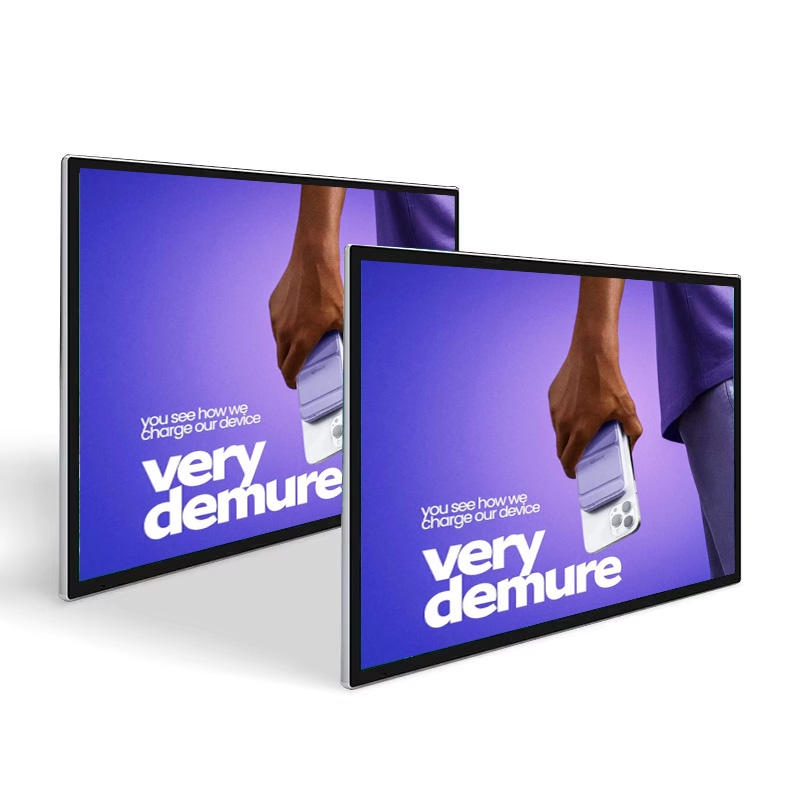
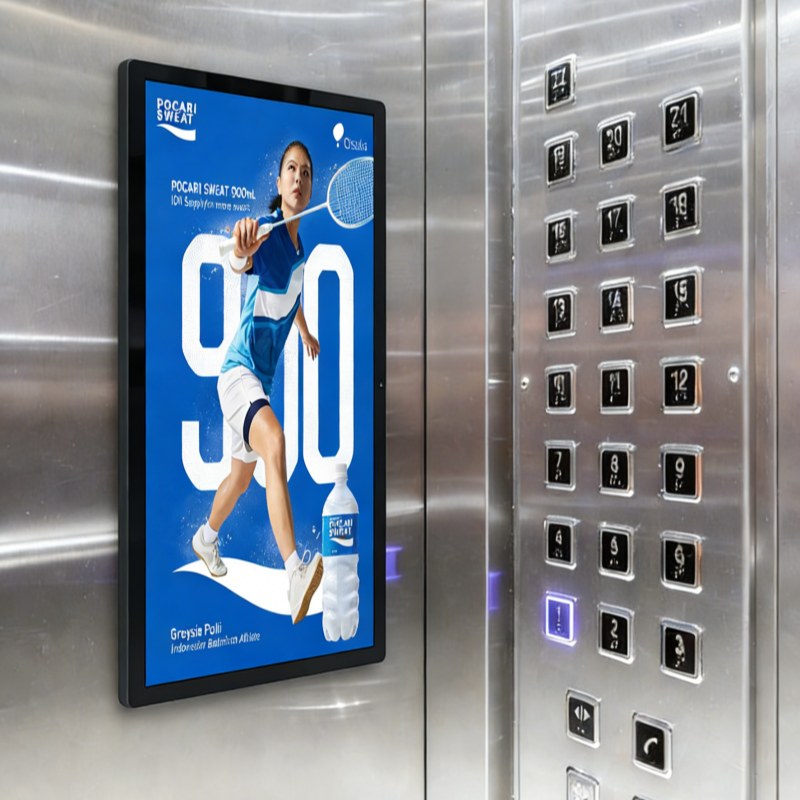
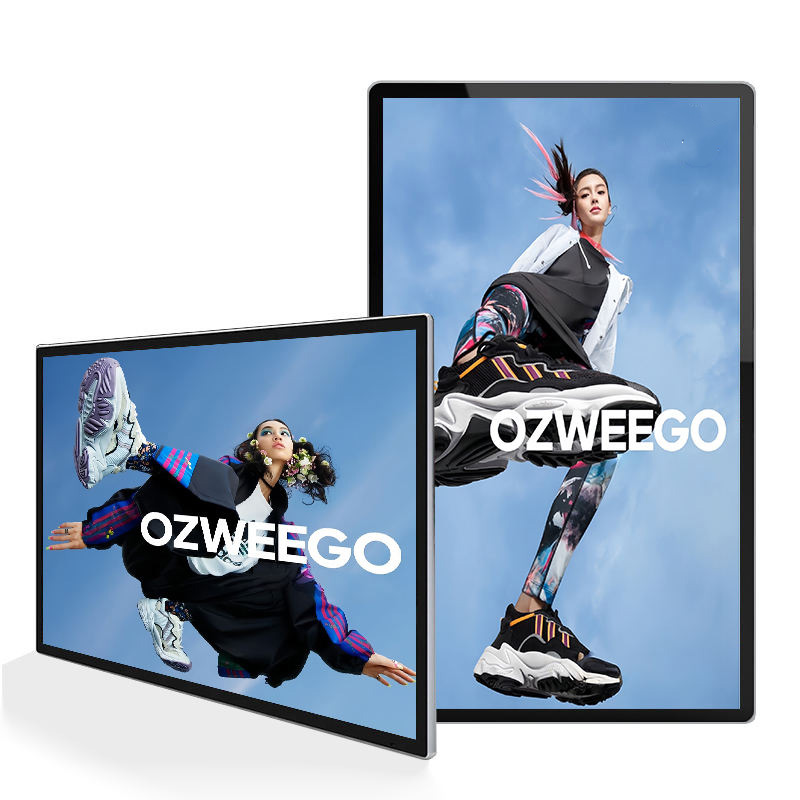
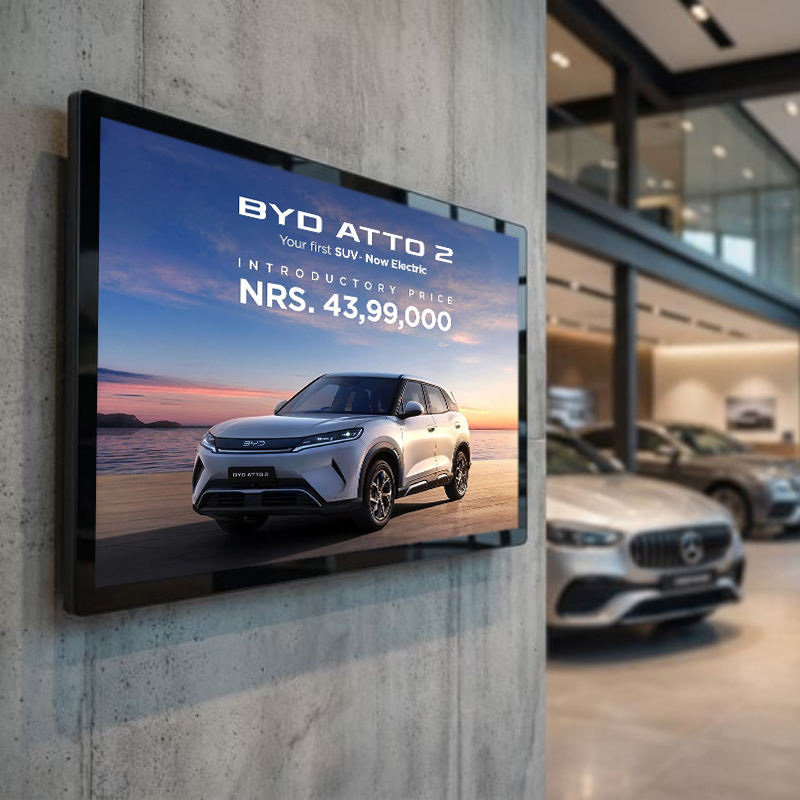
The product line supports wall mounting, ceiling or hanging installation, and splicing. Each option solves a different spatial problem: wall mounting keeps the counter area clean, hanging works well for open layouts, and splicing helps when the display needs to stretch across a broader visual field.
For fast food counters, coffee shops, hotel breakfast areas, and food courts, the installation method can matter as much as the screen itself. A digital menu board should fit the architecture instead of forcing a new one.
Installation planning should also leave clear access for power, signal cables, and routine cleaning. A tidy cable route and a screen position that avoids direct glare can make daily operation easier long after the initial installation is finished.
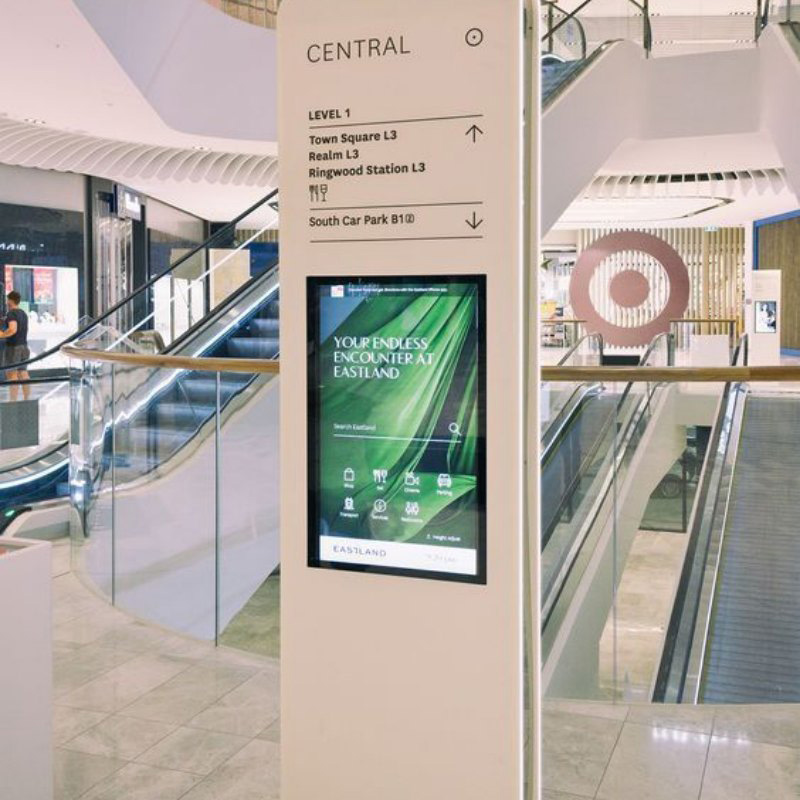
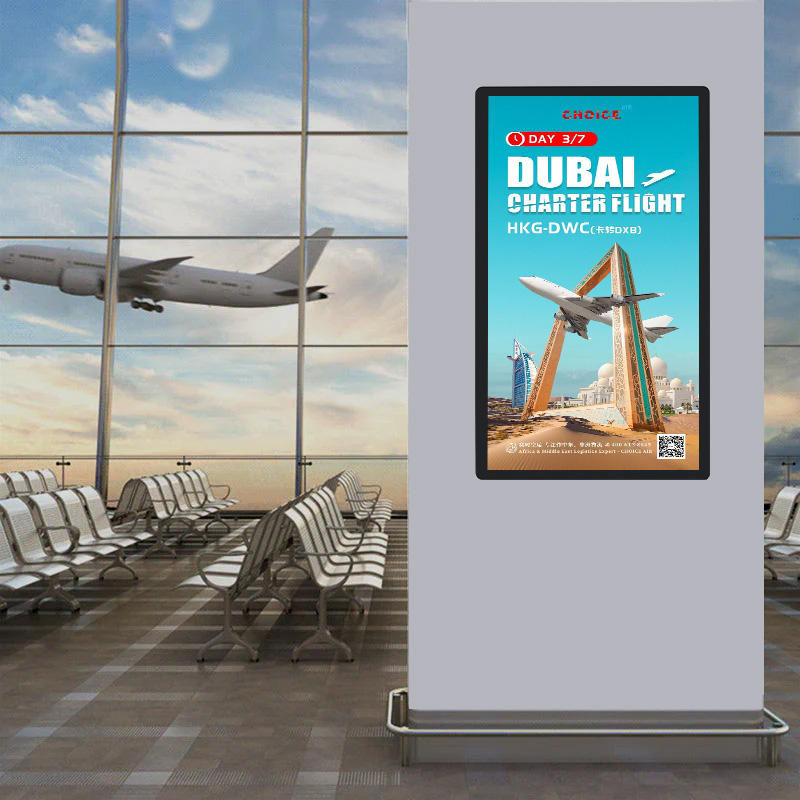
Alihh positions the digital menu board as a commercial display solution for restaurants, cafes, hotels, shopping malls, and public spaces. The built-in Android system and optional 4K playback give buyers a path to simple playback or a sharper visual finish, depending on the project.
That flexibility is useful for operators who want one hardware family to support different store concepts. A more restrained cafe can use the same display logic as a brighter fast-food environment, but with content and mounting tuned to the space.
It also makes planning easier for teams that manage more than one site. A single visual standard can be carried from a flagship location to a smaller branch without changing the basic display logic, which helps keep the brand feel consistent while leaving room for local menu differences.
For more display categories, see the Alihh products page.
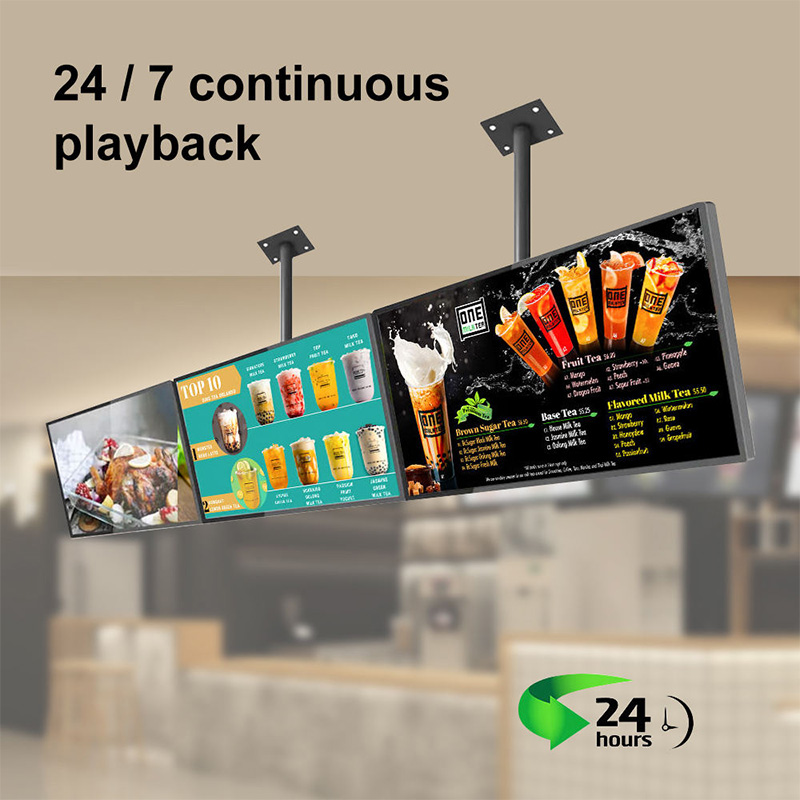
A digital menu board works best when it makes ordering feel simpler, not louder. When brightness, layout, mounting, and remote content control are handled well, the screen becomes a quiet operational tool that supports both the customer experience and the restaurant workflow.
Alihh brings those pieces together in a way that suits modern foodservice spaces, from compact cafes to multi-screen restaurant walls. If you are planning a display upgrade, you can review the Alihh digital menu board options and shape the content around the room, not the other way around. That is the real advantage of a well-built menu display: it clears the ordering path, supports the staff, and keeps the space looking composed.
Contact Alihh to discuss your digital menu board requirements and find the right display solution for your space.
A digital menu board is easier to read when brightness, contrast, and layout are balanced for the viewing distance. Large text, clear spacing, and a screen that stays visible under existing lighting all help customers understand the menu quickly without stopping to search for details.
Not every project needs 4K. It is most useful when the screen is large, the content has fine detail, or the display sits close to the customer. For smaller or simpler menus, a well-balanced layout and proper brightness can matter more than resolution alone.
Yes. Alihh remote CMS support can help operators manage a single menu screen or multiple screens across locations. That is useful when menus change by daypart, when promotions need to go live quickly, or when a chain wants the same content across several stores.
Wall mounted placement works best where the customer naturally looks during ordering, usually above the counter or service line. The screen should be high enough to stay clear of traffic, but low enough that customers can read it without tilting their heads too far.