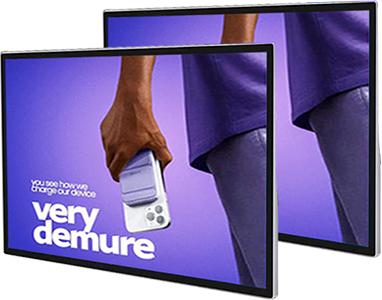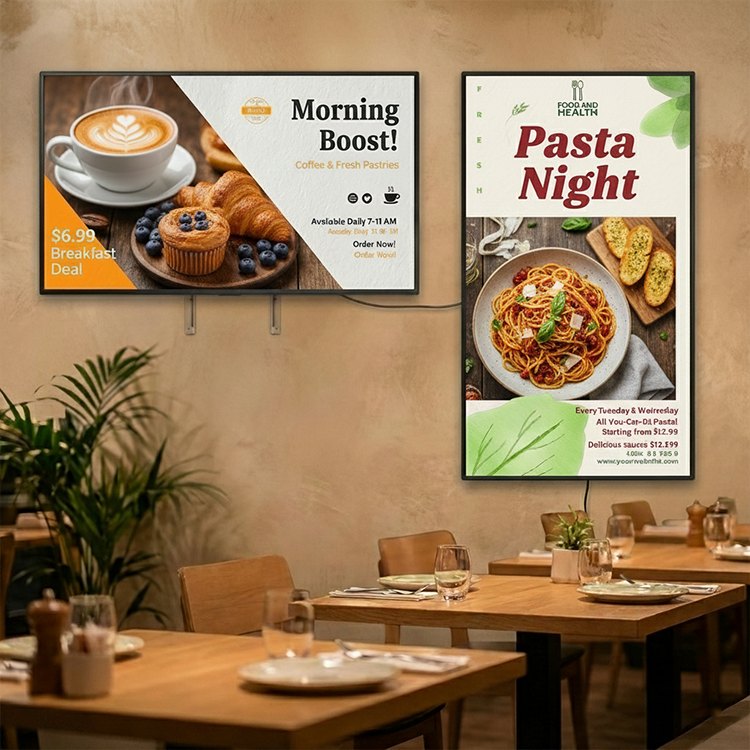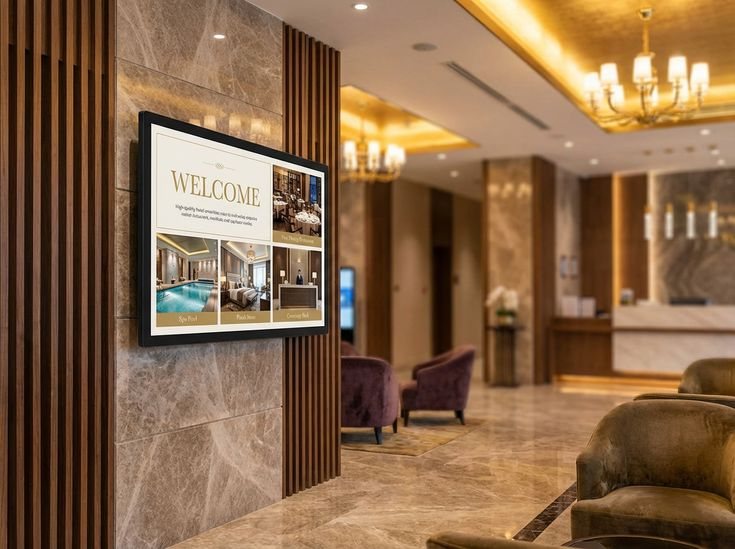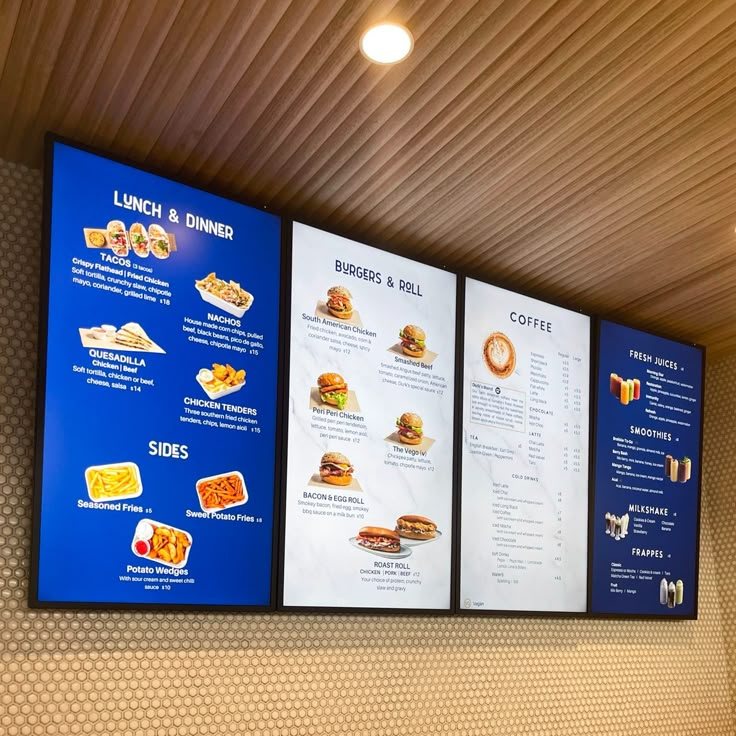
We are committed to delivering high-quality LCD displays and digital signage solutions, combining reliable performance, competitive value, and professional support to help businesses communicate more effectively.
We are committed to delivering high-quality LCD displays and digital signage solutions, combining reliable performance, competitive value, and professional support to help businesses communicate more effectively.
 author
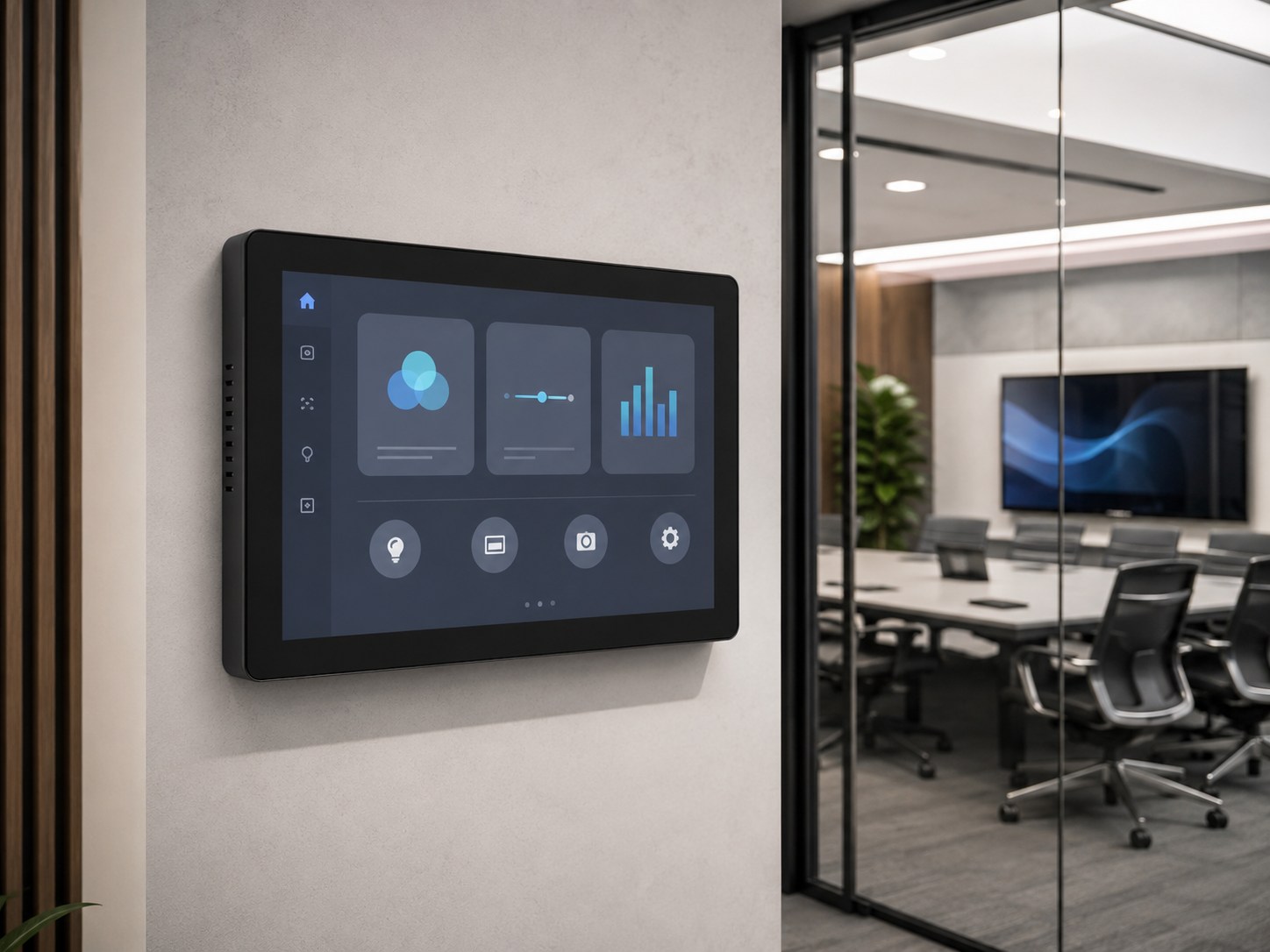
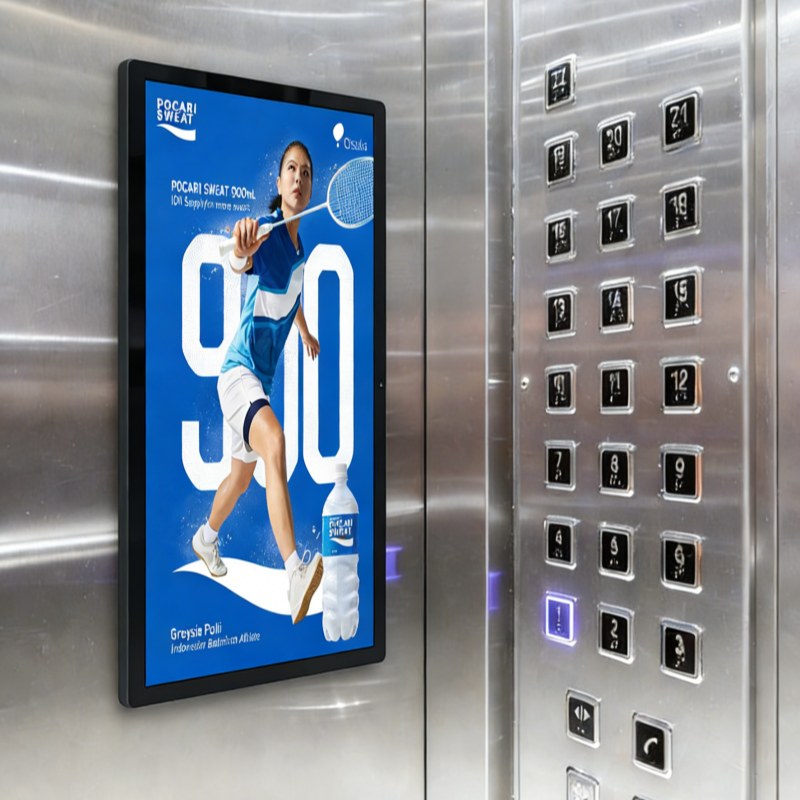
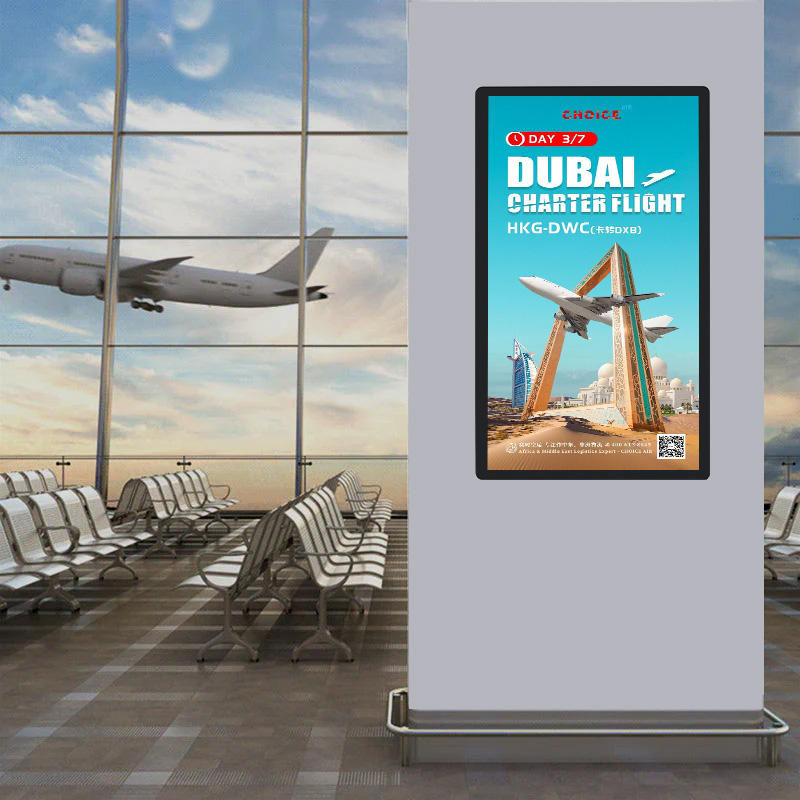
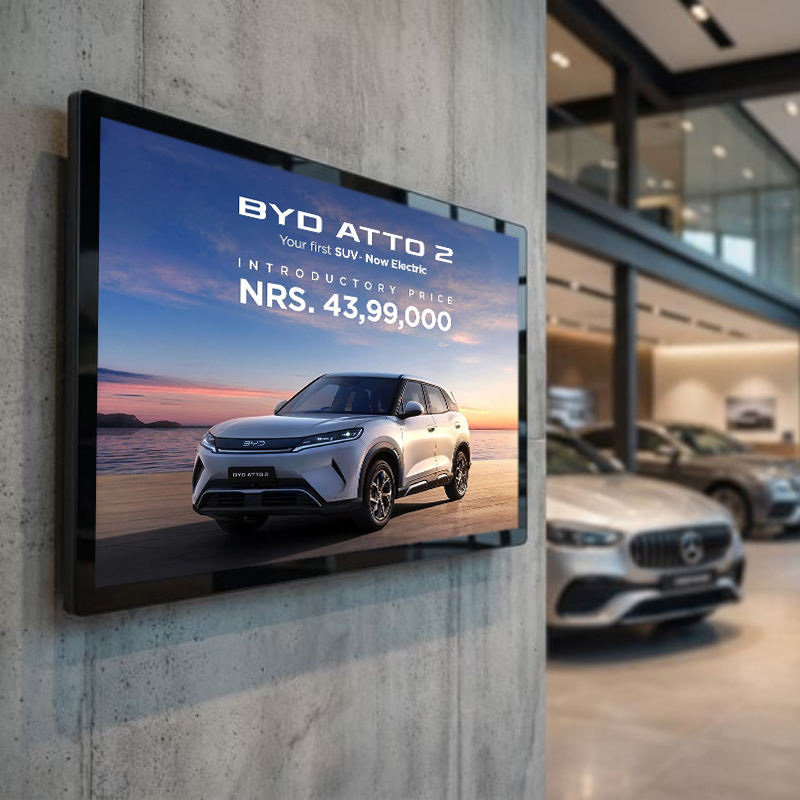
The global digital signage market is projected to exceed USD 70 billion by 2026. Rapid digital transformation is taking place across retail, hospitality, and corporate sectors. Yet many large integration projects still fail. The cause is rarely budget limits. The real problem is poor hardware choices. In busy retail stores or restaurant terminals that run around the clock, stability matters most. A professional wall mount touch screen can handle continuous 24/7 use.
Consumer-grade hardware often creates problems in commercial settings. Systems become unstable. Maintenance costs rise. User interaction suffers. Typical issues include:
The right hardware layout forms the base for a display network that can grow.
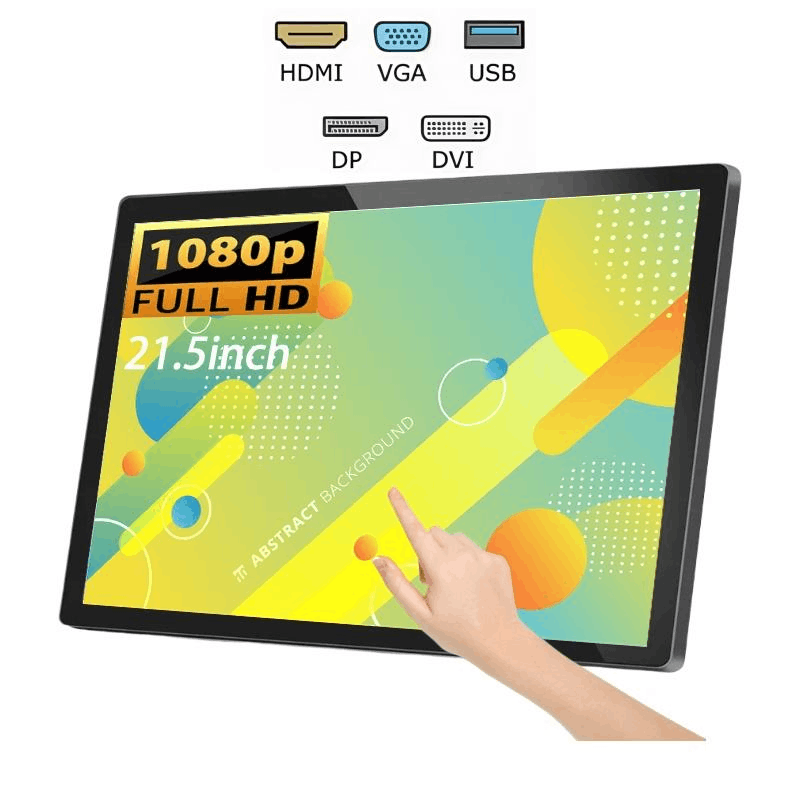
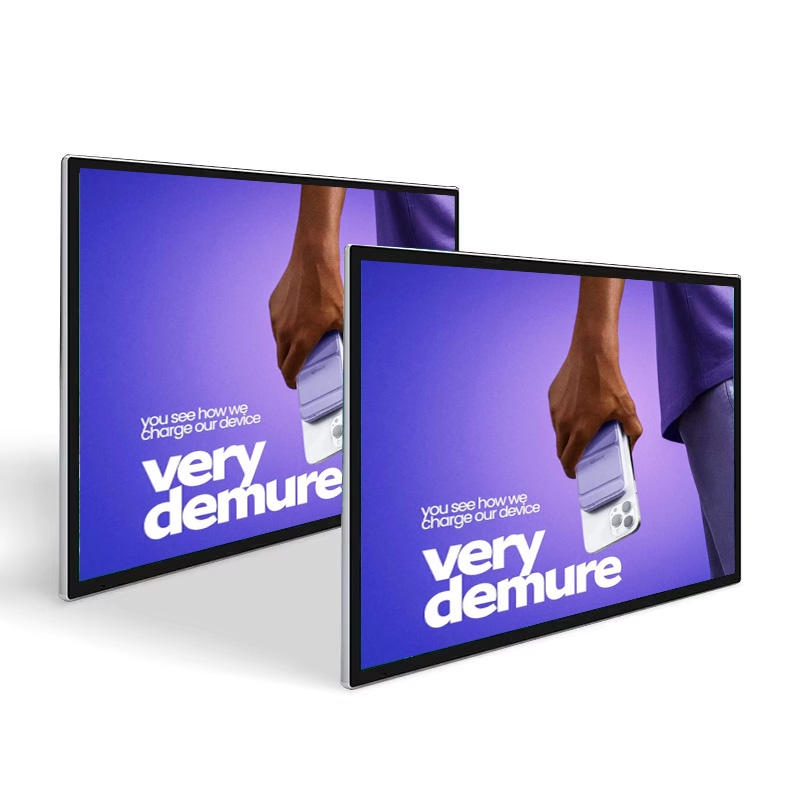
Picking a high-performance android wall mount touch screen means looking closely at the parts inside. It also means checking the display technology. Commercial screens use A+ grade IPS panels. These panels give wide 178-degree viewing angles and steady color. Clear images matter when rooms have strong lighting. Alihh offers models with 500 to 700 nits of brightness. Many also carry anti-glare coatings. These coatings cut reflections in shop windows or bright retail spaces.
Commercial panels must keep brightness and color steady over thousands of hours. Some larger screens, from 43 to 98 inches, offer 4K resolution. This level of detail makes menus and videos stand out. For windows that face direct sun, high-brightness versions reach up to 3000 nits. These units stay visible even in strong daylight.
How well the touch screen responds affects how users interact with it. Ten-point capacitive touch is the industry standard. It feels like a phone screen and reacts in less than 5 ms. In public areas, the glass must also resist damage. Tempered glass that passes hammer impact tests provides vandal protection and long life.
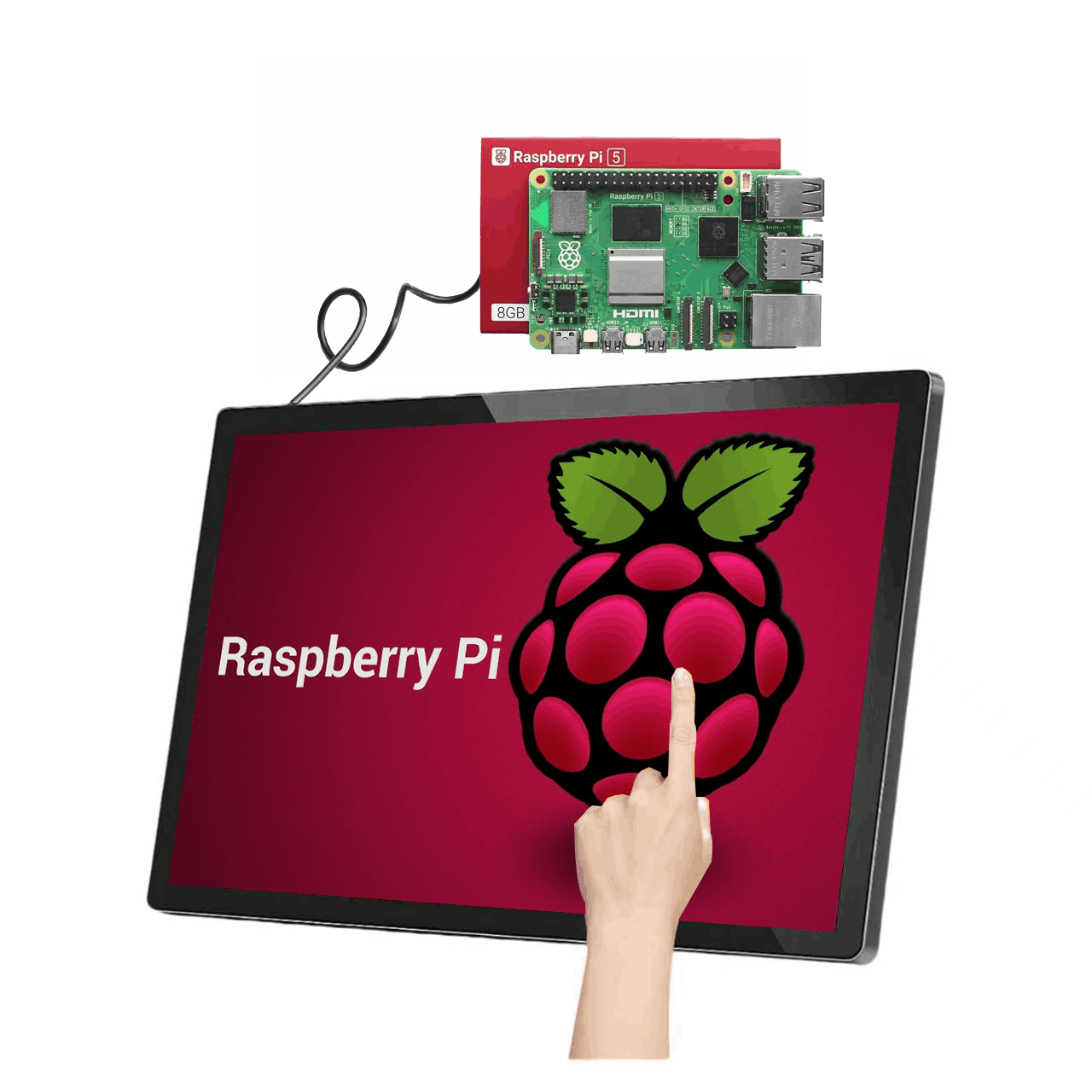
System integrators must decide between an all-in-one unit and a standalone display. When maximum flexibility is needed, a dedicated touch monitor is often the better option. These units act as pure displays. They have no operating system installed. Developers can connect an external PC, media player, or small board such as Raspberry Pi.
All-in-one machines place the CPU and storage inside the same housing. This choice reduces setup steps. A standalone touch monitor gives developers full control over software and updates. That control is useful for industrial systems or custom kiosk work where a specific platform is required.
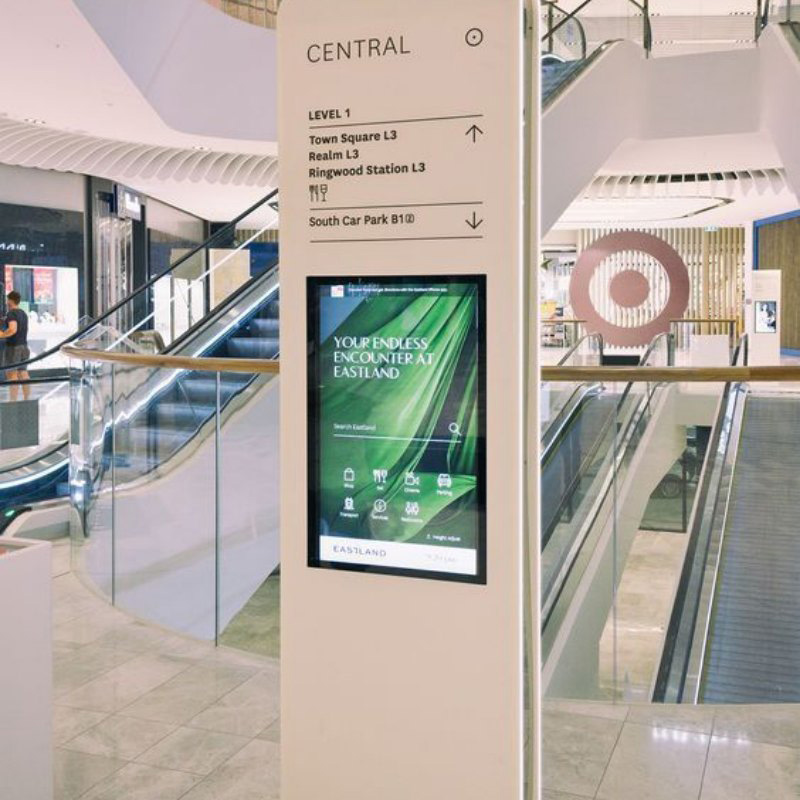
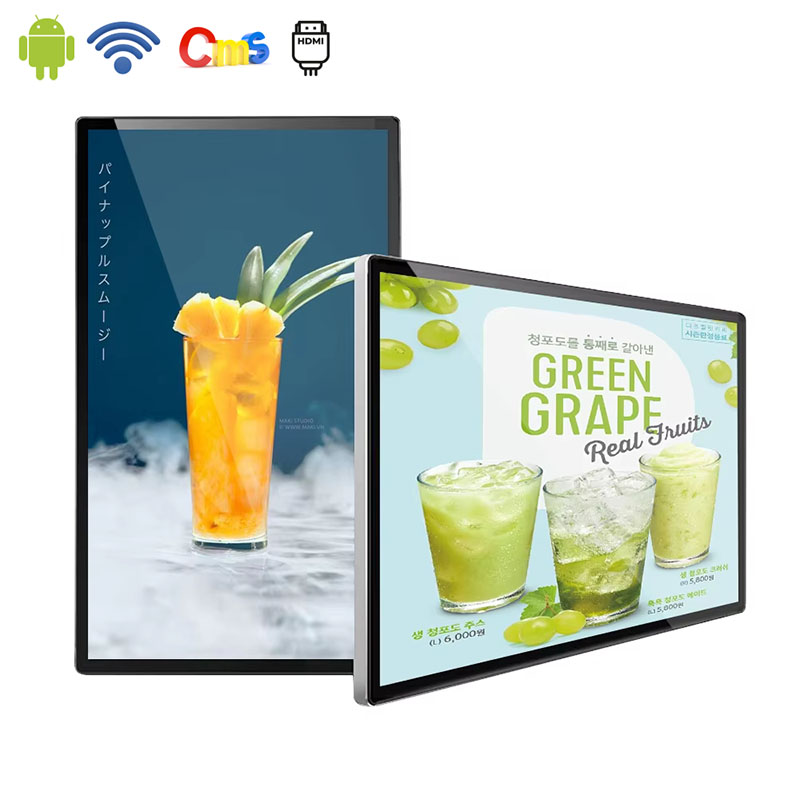
Good connectivity helps a display system last longer. Professional screens include several ports such as HDMI, VGA, and USB. These ports work with many different devices. Support for wall, embedded, and open-frame mounting lets the hardware fit different building layouts and industrial frames.
Finding a dependable wall mounted touch screen supplier takes more than reading spec sheets. Buyers should review the maker’s quality systems. Alihh runs a modern 2,000-square-meter factory with clean production lines. The company holds ISO 9001:2015 certification. Strict checks include a full aging test on every unit before shipping. Incoming, in-process, and final inspections follow documented steps. All products meet CE, FCC, and RoHS rules.
Field stability comes from a steady parts supply and close monitoring during assembly. Global certifications confirm that each wall mounted touch screen can be used safely in North America, Europe, and the Middle East.
Commercial projects need support that lasts beyond delivery. Professional suppliers offer at least a two-year warranty plus ongoing technical help. This help covers 24/7 phone support, remote checks, and integration guides. Engineering staff stay available through the full project cycle. That support keeps large rollouts on track.
Success in commercial display work now depends on more than picking a screen. It depends on building a system that stays reliable in daily use. Focus on hardware strength, flexible system design, and supplier know-how. These choices help businesses gain real return on their digital investment. Working with a specialized wall mounted touch screen supplier like Alihh gives projects the technical base they need. Retail, hospitality, and corporate teams can then scale with confidence.
Contact us to discuss solutions for your next integration project.
A: Restaurants need screens that stay bright and are easy to clean. At least 500 nits helps fight indoor lighting. A 10-point capacitive touch layer gives fast response for ordering. Alihh units combine these features with a slim, border-free look that fits modern restaurant design.
A: Retailers pick Alihh because the company solves everyday issues such as content updates and screen glare. High-brightness, anti-glare panels plus a free CMS let store teams change promotions from any location. This remote control lowers daily running costs.
A: Yes. A touch monitor without an operating system works well for industrial or embedded jobs. Alihh designs these units to pair with Raspberry Pi, Windows, or Linux. Developers can load their own software and keep full control.
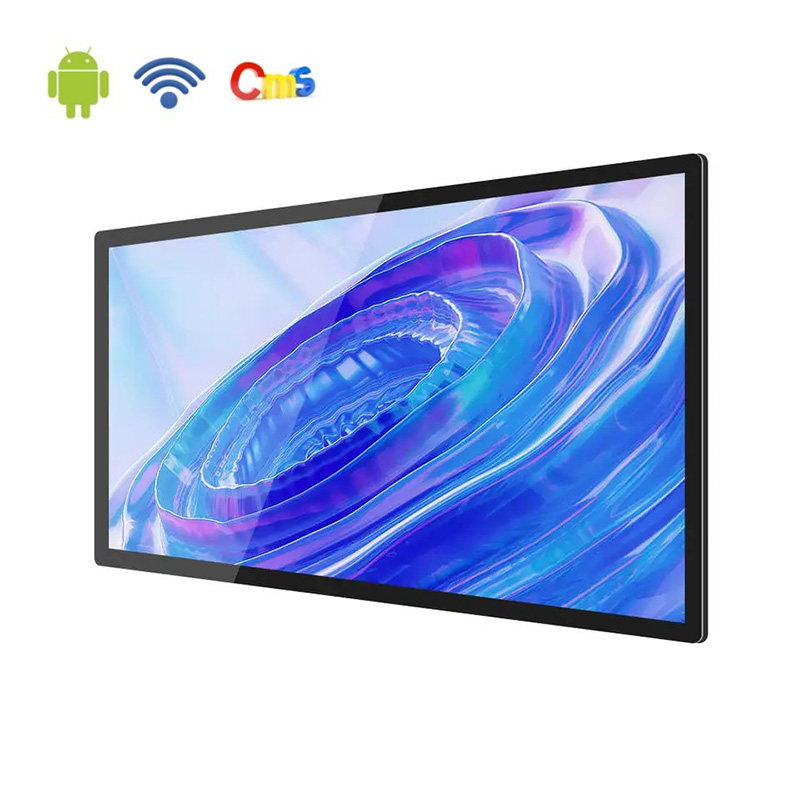
A: A wall mounted touch screen that includes a CMS lets teams push the same content to many screens at once. Alihh supplies this software at no extra cost. Users can update menus or promotions from a phone or PC, keeping information consistent across sites.
A: Yes. Alihh offers full OEM and ODM services. Custom options cover sizes from 10 to 98 inches, brightness levels for sunlit areas, logo placement, and housing styles that match a brand’s look.